
Meal Prep Methodology
A documented framework for weekly meal preparation — covering ingredient sourcing, cooking sequence, portion calibration, and storage protocol for active men.
View Program
Atilos documents structured nutrition approaches for men past 30 — where dietary habits, macronutrient calibration, and daily meal composition intersect with long-term performance.
A documented framework for weekly meal preparation — covering ingredient sourcing, cooking sequence, portion calibration, and storage protocol for active men.
View Program
Daily protein-ratio documentation protocol, covering plant-based protein sources, animal protein distribution, and timing across a structured eating window for men over 30.
View Program
A structured approach to fat-loss nutrition for men — mapping calorie targets, macronutrient ratios, and sustainable food selection without compromising active performance.
View Program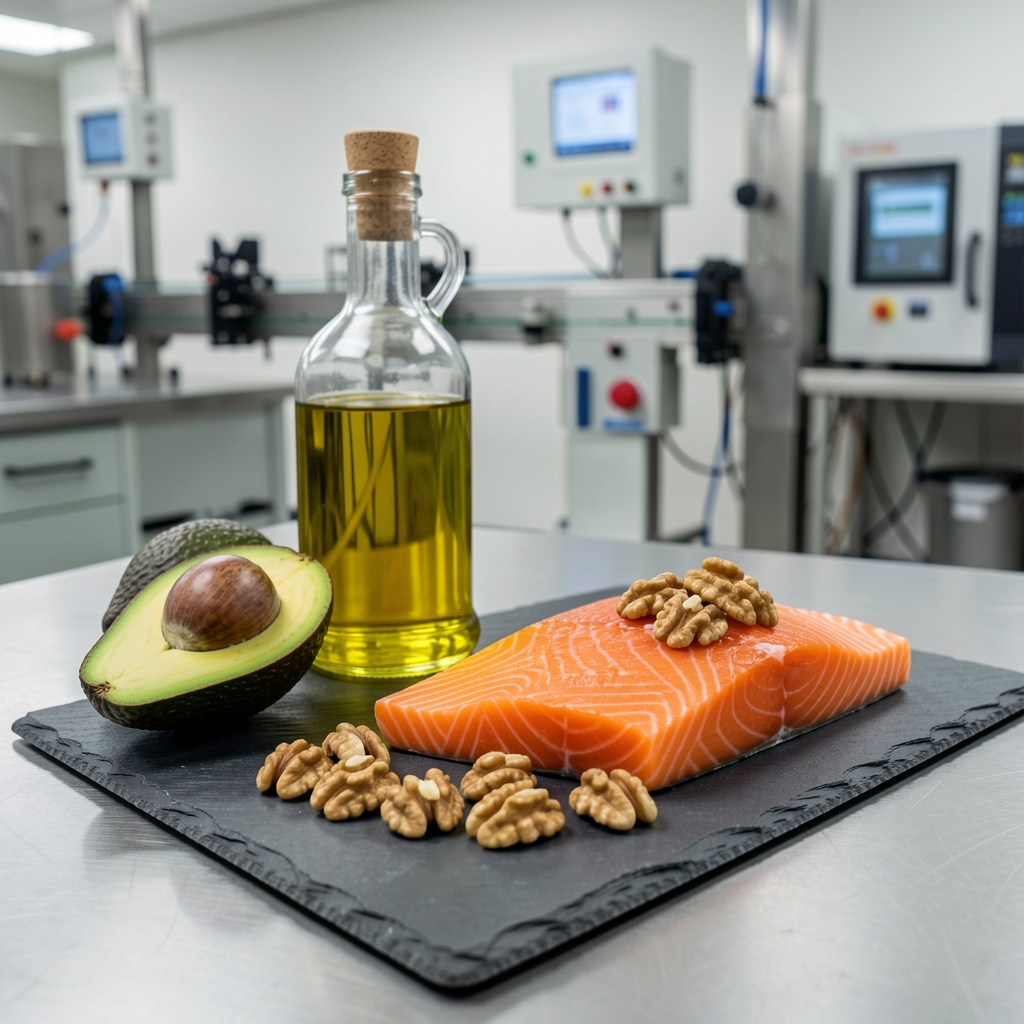
Documentation of omega-3 sourcing from whole-food origins, fat intake ratios in a balanced dietary pattern, and how healthy fats support cognitive function in men over 30.
View Program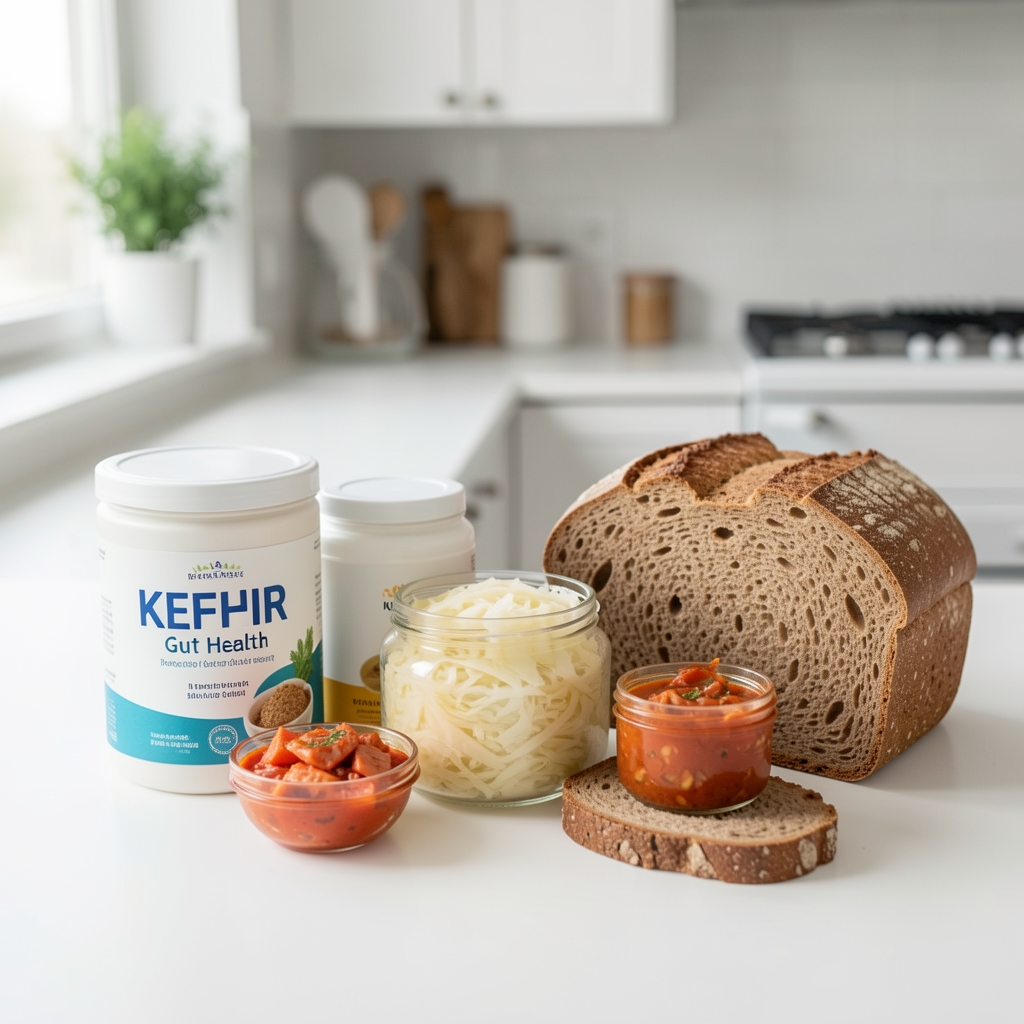
Covering fermented food integration, fibre-intake calibration, and gut-supportive eating patterns observed in men whose dietary habits emphasise long-term digestive wellbeing.
View Program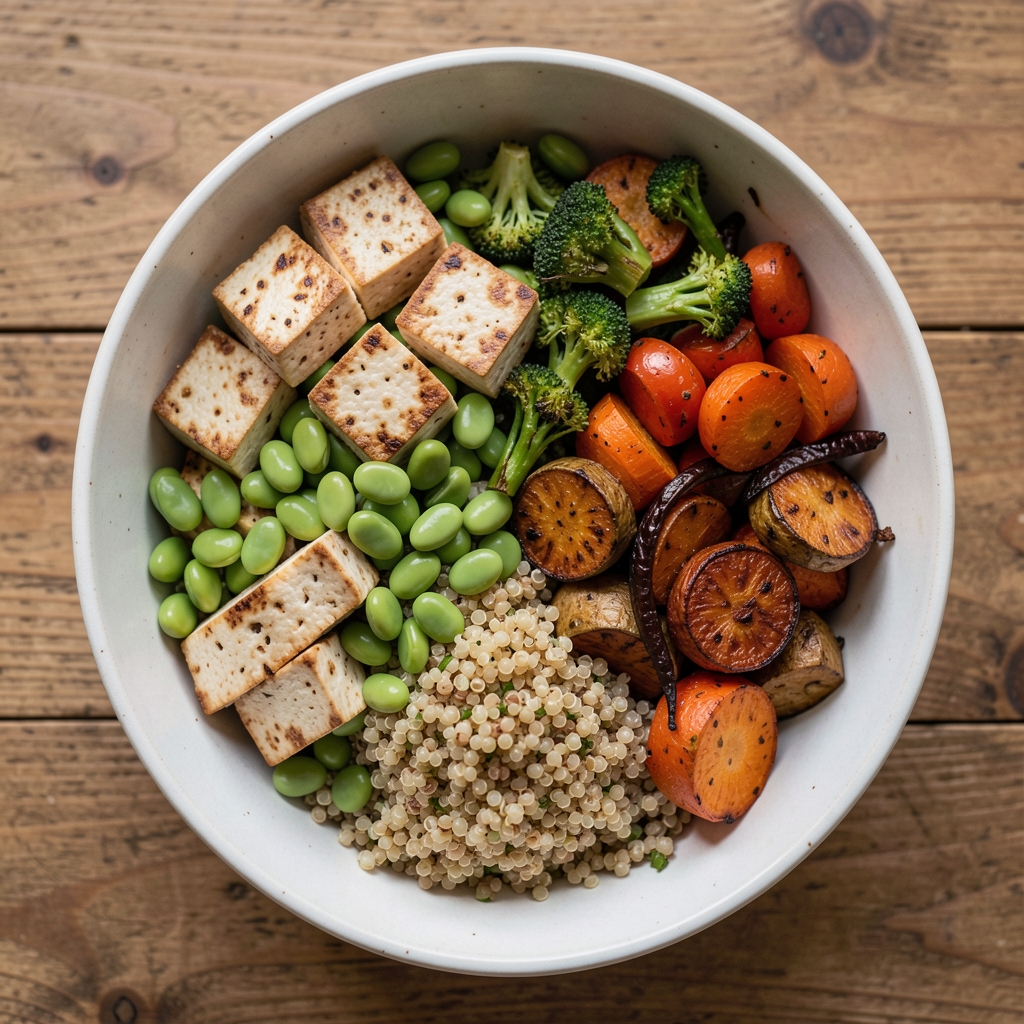
A plant-based protein sourcing guide for active men — documenting amino acid completeness, daily intake targets, and balanced meal composition without animal-derived protein.
View ProgramAfter 30, a man's relationship with food becomes less intuitive and more structural. Metabolic rate adjustments, shifting metabolic baseline, and the accumulation of habitual eating patterns mean that the dietary choices made in this decade carry measurable consequence.
Atilos approaches this landscape as an observer and documentarian. The record of what works — across protein sourcing, meal composition timing, micronutrient intake, and carbohydrate periodisation — is assembled from published nutritional research and verified through structured self-documentation protocols.
Men's health nutrition, at its most useful, is not a directive but a framework. What the Atilos methodology offers is that framework: observable, adjustable, anchored in the fundamentals of sports nutrition and metabolic science.

"Consistent meal structure — not rigid restriction — is the primary observable factor separating sustained dietary adherence from cyclical disruption in men past 30."
A selection of micronutrients and dietary components with documented roles in male nutrition. Each profile below notes function, common food sources, and typical intake benchmarks observed in the Atilos research record.
Supports normal function of the immune system. Common shortfall in men with limited outdoor exposure — particularly relevant for indoor-working professionals over 30.
Contributes to normal energy metabolism and reduces tiredness. Among the most commonly observed low-intake minerals in men following high-stress, low-vegetable dietary patterns.
Supports normal cognitive function and immune health. Depleted by high sweat output and processed-food-heavy diets — both common in men aged 30–45 with active lifestyles.
EPA and DHA fatty acids with documented roles in cardiovascular support and inflammation response. Whole-food integration from oily fish remains the preferred sourcing method.
Nutrition methodology at Atilos follows a five-stage observation and documentation cycle — from initial dietary baseline to verified meal composition archive. Each stage is numbered and time-stamped within the internal record system.
Full MethodologyRecording current eating patterns, meal frequency, macronutrient distribution, and observable gaps in a structured intake log.
Establishing protein, carbohydrate, and fat ratios calibrated to the individual's activity output, weight targets, and recovery needs.
Building a weekly meal blueprint that covers ingredient sourcing, preparation sequencing, and batch cooking for consistent daily intake.
Cross-referencing the meal composition against zinc, magnesium, vitamin D3, and B12 benchmarks for men in the 30–50 age range.
Archiving the completed dietary record with revision number. Iterating every 12 weeks based on observed adaptation and seasonal ingredient availability.
A selection of the most common questions received through the Atilos inquiry channel, answered in the documentary-factual register of the archive.